1906
Land Reparations
The Tribe filed its first court case seeking reparations for the loss of its lands.
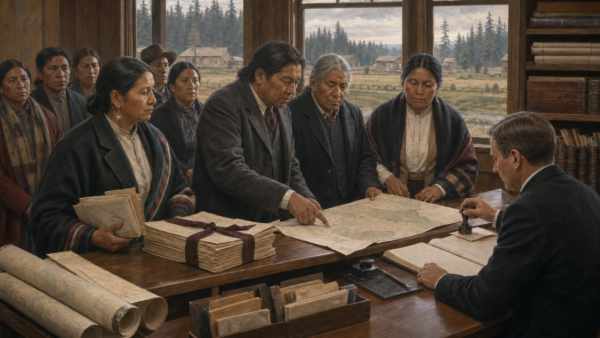

The Tribe filed its first court case seeking reparations for the loss of its lands.
President William Howard Taft signed a third executive order opening reservation land to homesteading and allocating a parcel to Perry Youckton.
The Chehalis Tribal School closed, and its students transferred to schools in the Oakville and Rochester school districts.
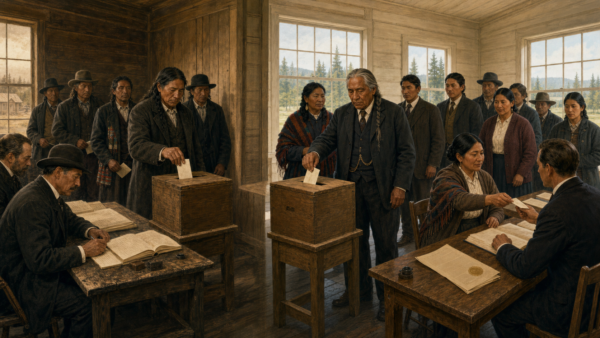
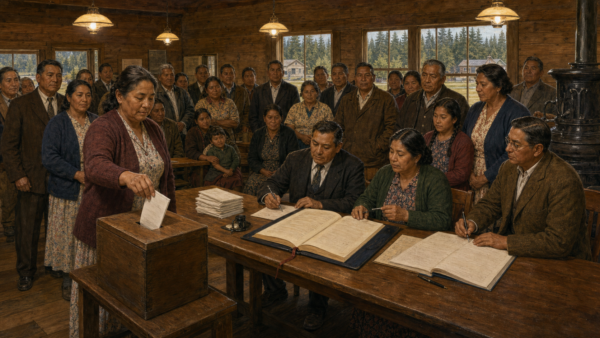
The Indian Citizenship Act was enacted, extending United States citizenship and associated voting rights to American Indians. Chehalis people, however, had participated in elections since 1888.
The Tribe renewed its pursuit of land reparations by joining a broader land-claims case, *Duwamish et al. v. United States* (Court of Claims No. F-275).
The Indian Reorganization Act, also known as the Wheeler–Howard Act, was enacted to promote Tribal self-governance and encourage Tribal nations to adopt their own constitutions.
The Confederated Tribes of the Chehalis Reservation formally adopted its Constitution and Bylaws.
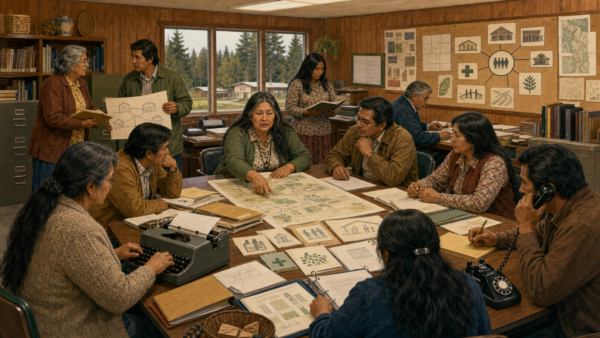
The Tribe filed a formal challenge to the 1886 executive order that returned a substantial tract of reservation land to the public domain, resulting in a significant loss of Tribal acreage.
The Tribe was awarded $754,380 in compensation for 838,200 acres of relinquished land.
The Tribe worked to develop and implement an effective model of self-governance.

420 Howanut Rd
P.O. Box 536
Oakville, WA 98568
Monday to Friday
8:00 am - 4:30 pm