1880
Chehalis Tribal School Enrollment
Twenty-three students resided on-site at the Chehalis Tribal School, in addition to the day students who attended classes.

Twenty-three students resided on-site at the Chehalis Tribal School, in addition to the day students who attended classes.
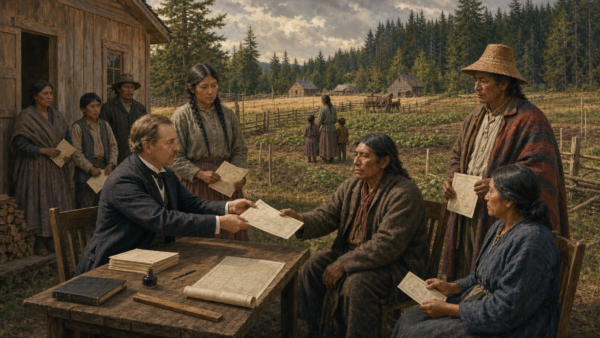
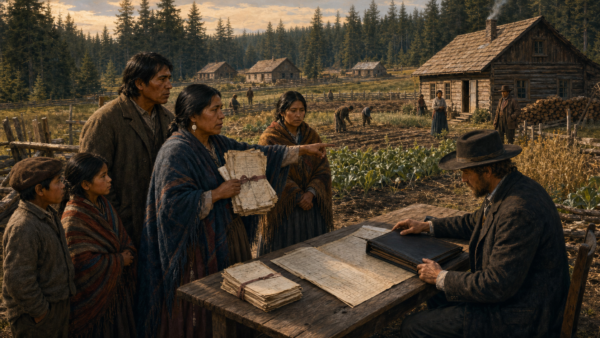
Agent Edwin Eells issued certificates formally assigning parcels of land to Tribal allottees.
Edwin L. Chalcraft moved to the reservation and found both the schoolhouse and boarding house open and fully operational.
Enrollment at the Chehalis Tribal School grew to 45 students, including students from the Nisqually and Squaxin Tribes.
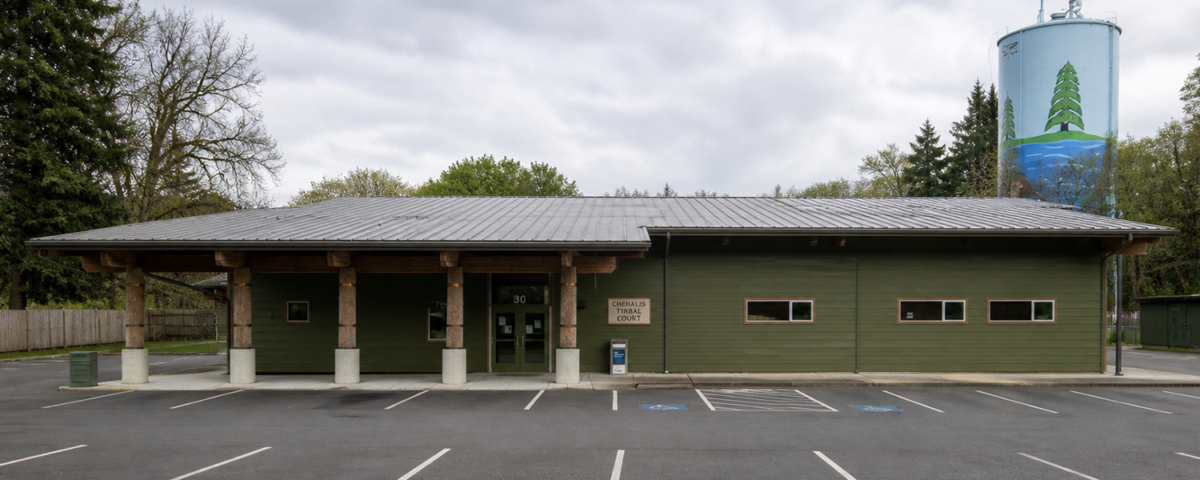
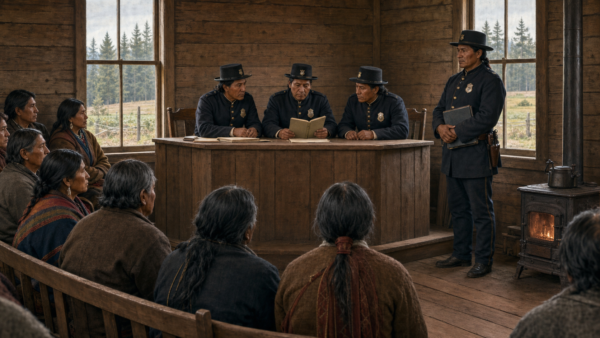
A police department was established on the reservation, staffed by four Tribal police officers and supported by three associate judges: Jim Walker, Charlie Walker, and Pike Ben. At the time, Jim Walker was also recognized as “Chief,” a Western title rather than a traditional Chehalis term for a leader. The police department and court were responsible for enforcing the Rules Governing Courts of Indian Offenses.
Tribal members were permitted to leave the reservation without obtaining a pass.
President Grover Cleveland signed a second executive order returning 3,753.63 acres to the public domain while reserving 471 acres for school purposes. Thirty-six Chehalis people subsequently applied for homestead allotments.
The Dawes Act was enacted; however, because Chehalis people had already filed homestead claims under the Homestead Act, they were not eligible to receive allotments under the Dawes Act.
Chehalis people who had acquired land under the Homestead Act—and thereby gained citizenship as landowners—participated in that year’s election in Oakville. Marion Davis became the first Chehalis person to cast a ballot.
Enrollment at the Chehalis Tribal School continued to grow, reaching 101 students. The school day began with breakfast at 6:00 a.m., and vacations were scheduled in September so students could work in the hop fields.

420 Howanut Rd
P.O. Box 536
Oakville, WA 98568
Monday to Friday
8:00 am - 4:30 pm